You’ve probably used fabric softener sheets without thinking twice — tossing one into the dryer because that’s just what everyone does. But as more people look for cleaner, more sustainable laundry habits, a common question arises: Are fabric softener sheets actually necessary?
While these sheets promise softer clothes, fewer wrinkles, and less static cling, they may not always be the best option for every fabric, washing routine, or lifestyle. In this guide, we’ll explore how fabric softener sheets work, their pros and cons, when to skip them, and some eco-friendly alternatives that can keep your clothes soft without the downsides.
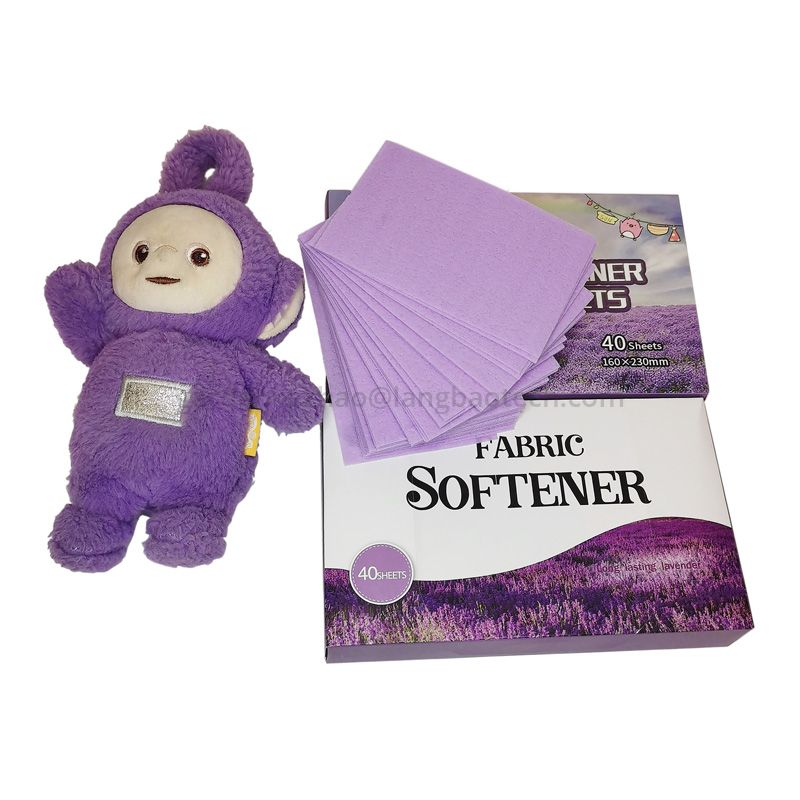
Fabric softener sheets are coated with lubricating chemicals and fragrances. When placed in the dryer, heat melts these coatings and transfers them onto your clothes, creating a thin, waxy layer. This coating reduces friction between fabrics, which helps minimize static and makes clothes feel smoother.
The most common ingredients include quaternary ammonium compounds (quats), which are responsible for softening, and fragrance agents, which leave that familiar “fresh laundry” scent.
While effective, this process can also lead to buildup over time — not only on your clothes but also inside your dryer’s lint trap and sensors. That’s why understanding their long-term effects is crucial before deciding whether to use them regularly.
Like most laundry products, fabric softener sheets come with both benefits and trade-offs.
Advantages:
Clothes feel smoother and less scratchy.
Reduces static cling in synthetic fabrics.
Adds a pleasant fragrance to laundry.
Helps reduce wrinkles in lightweight fabrics.
Disadvantages:
Can leave a residue on fabrics, affecting absorbency (especially on towels and athletic wear).
Build-up in dryers can reduce efficiency and pose a fire hazard over time.
Contain synthetic fragrances and chemicals that may irritate sensitive skin.
Not environmentally friendly — most sheets are single-use and non-biodegradable.
If your main goal is softness and static control, these sheets work well. But if you’re concerned about performance fabrics, skin sensitivity, or sustainability, there may be better options.
Certain fabrics simply don’t mix well with traditional softener sheets. Using them on the wrong materials can cause more harm than good.
Avoid using fabric softener sheets with:
Towels: The coating reduces absorbency, making them less effective.
Athletic or moisture-wicking clothes: The residue can block breathability and trap odors.
Microfiber cloths: The coating can ruin their ability to attract dust and dirt.
Flame-resistant fabrics: Some children’s pajamas lose their fire resistance when exposed to softener residues.
See also:If you regularly wash these types of fabrics, consider alternative softening methods.
For those who want soft, static-free laundry without the chemicals or waste, several natural alternatives work just as well — if not better.
Wool Dryer Balls – These reusable balls help reduce static and wrinkles while speeding up drying time. You can even add a few drops of essential oil for a light fragrance.
White Vinegar Rinse – Adding a half-cup of white vinegar to your washer’s rinse cycle naturally softens fabric fibers without residue.
Baking Soda Boost – Mix baking soda into your detergent for a gentle softening effect.
Eco-Friendly Dryer Sheets – Some brands offer biodegradable, fragrance-free versions made with plant-based ingredients.
These alternatives are better for sensitive skin, reduce plastic waste, and keep your dryer cleaner in the long run.
A family of four decided to stop using conventional fabric softener sheets after noticing that their towels weren’t absorbing water well. They switched to wool dryer balls instead and immediately saw improvements — their towels dried faster, smelled neutral, and felt soft without any residue.
After six months, they also noticed less lint buildup in the dryer filter and saved money by eliminating single-use sheets. This small change showed how effective and practical eco-friendly alternatives can be.
Even if you continue using fabric softener sheets, avoiding a few common mistakes can help prevent issues:
Using more than one sheet per load: One is usually enough. Too many can cause residue buildup.
Leaving sheets in after drying: Always remove them promptly to prevent dryer lint accumulation.
Using them on delicate fabrics: Softener residue can damage silk, lace, and performance materials.
Ignoring skin reactions: If you or your family have sensitive skin, choose fragrance-free options or skip them entirely.
A little care goes a long way in maintaining laundry quality and appliance efficiency.
1. Do fabric softener sheets actually soften clothes?
Yes, but the softness comes from a chemical coating rather than from conditioning the fibers. Natural alternatives like vinegar or wool dryer balls can achieve similar results without buildup.
2. Are fabric softener sheets bad for your dryer?
Over time, the residue from softener sheets can clog lint traps and dryer sensors, reducing efficiency. Cleaning your dryer regularly can help prevent this.
3. Can I use fabric softener sheets with all fabrics?
No. Avoid using them with towels, athletic wear, microfiber, or flame-resistant materials to maintain performance and safety.
4. Are there eco-friendly fabric softener sheets available?
Yes. Some brands offer compostable, plant-based dryer sheets that work similarly but without synthetic chemicals or plastic waste.
5. What’s the best alternative to fabric softener sheets?
Wool dryer balls are one of the most popular and effective alternatives. They reduce static, soften fabrics, and can last for hundreds of loads.
So, are fabric softener sheets necessary? The short answer: not really. While they’re convenient and do make clothes feel softer, they also come with downsides — including chemical residue, waste, and long-term buildup in your dryer.
If you want a more sustainable, skin-friendly, and cost-effective option, try switching to eco-friendly alternatives like wool dryer balls or plant-based softening products. Your clothes, your skin, and the environment will all benefit from the change.
Previous: How to make concentrated fabric softener?
Next: None


Comments
Please Join Us to post.
0